
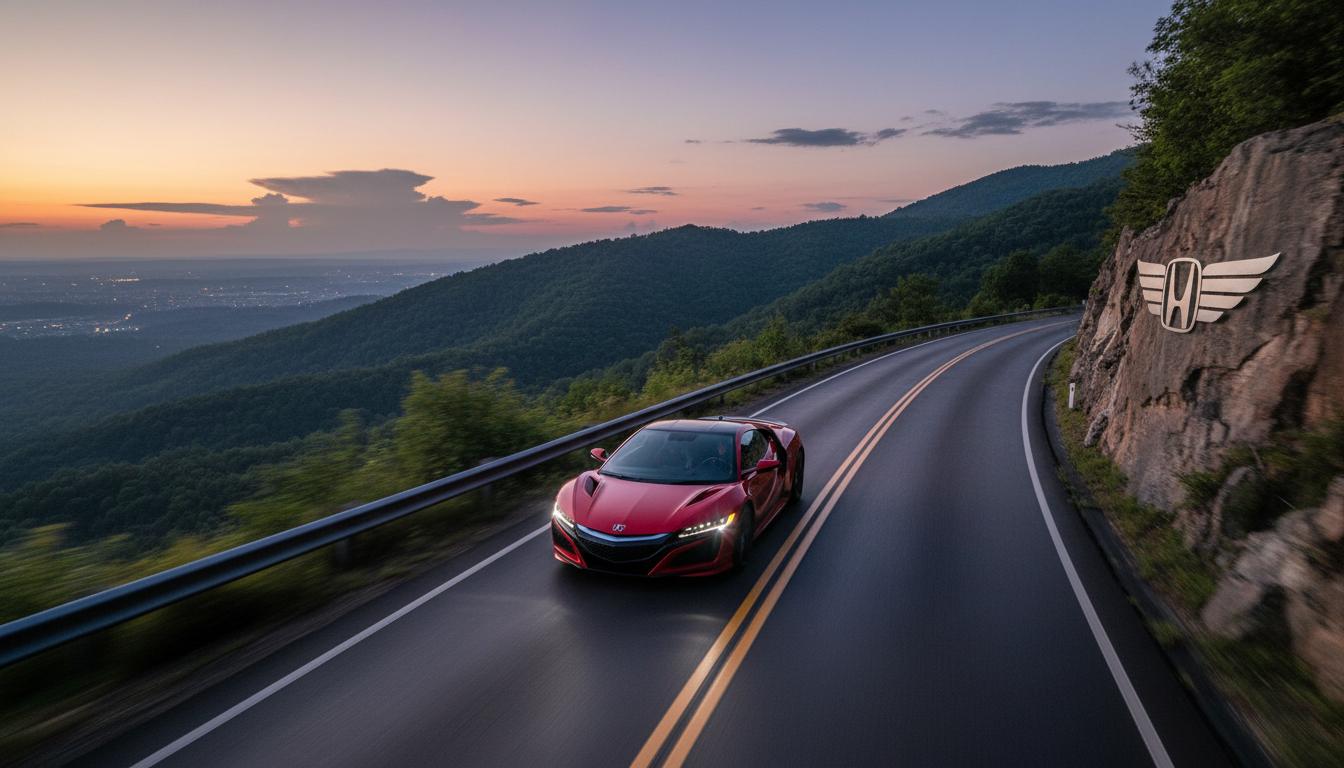
Honda has a loyal following in New Zealand for good reasons: dependable engineering, sensible running costs, and city-friendly sizes that still feel solid on the open road. If you’re weighing up a Honda for your next car, this guide walks you through what the brand is, how its key tech works, the main models Kiwis buy, and the practical steps to choose the right one.
What is
Honda is a Japanese manufacturer known for cars, motorcycles, marine engines, and power equipment. Founded in 1948 by Soichiro Honda, the brand built its reputation on smooth, durable engines and clever packaging. In New Zealand, you’ll find a mix of brand-new Hondas from official dealers and a large number of used imports from Japan, which keeps supply broad and prices competitive.
For cars, the core range here typically includes the Jazz (small hatch), Civic (compact hatch/sedan), HR-V and ZR-V (small-to-mid SUVs), and CR-V (family SUV). Many are available with hybrid options. You’ll also see popular used-import models like the Fit (the Japanese-market name for Jazz), Freed, Stepwgn, and Odyssey people movers.
How it works
Engines and VTEC
Honda’s trademark is high-efficiency petrol engines with i-VTEC (Variable Valve Timing and Lift Electronic Control). In simple terms, VTEC adjusts how far and when the valves open to balance power and fuel economy. Around town, the engine stays relaxed and efficient; when you need to overtake, it breathes deeper for more punch.
Transmissions
Most modern Honda models in New Zealand use a CVT (continuously variable transmission) tuned to feel like conventional gear steps under load. It keeps revs in the sweet spot for efficiency. Performance variants and some larger models use conventional automatics or dual-clutch gearboxes for quicker response.
e:HEV hybrids
Honda’s e:HEV system is a smart hybrid that can drive the wheels with an electric motor most of the time, using the petrol engine mainly as a generator. At higher speeds, a clutch can connect the engine directly to the wheels. You don’t plug it in; the car manages the battery automatically. The payoff is smooth, quiet acceleration and strong fuel savings in stop–go traffic.
Honda Sensing safety
Many late-model Hondas include Honda Sensing: adaptive cruise control, lane-keeping assistance, collision mitigation braking, and road departure mitigation. Use these as driver aids, not autopilot. They work best with clean cameras, clear lane markings, and an attentive driver.
Ownership in NZ: the practical bits
- Fuel: Most non-turbo Hondas run happily on 91 octane. Some turbo and performance models recommend 95 or 98. Always check the fuel flap or owner’s manual.
- Warrant of Fitness: Vehicles first registered from 2000 onward usually need a WoF every 12 months. Older cars require checks every 6 months.
- Road User Charges: Petrol cars have fuel tax built into the pump price. Diesel vehicles and, from 1 April 2024, light EVs pay RUC per 1,000 km. Hybrids that run on petrol typically don’t pay RUC.
- Servicing: Follow the schedule in the service book. CVTs and hybrids need the correct Honda fluids at the right intervals.
Types / examples
Small and city-friendly
Honda Jazz (and the used-import Fit) is a spacious small hatch with a tall roof and “Magic Seats” that fold and flip for bulky cargo. Hybrid versions are very frugal and great for urban driving.
Compact and family cars
The Civic delivers a balanced ride, good safety, and strong efficiency. Modern Civics feel grown-up inside and drive confidently on SH1 or a windy coastal road. Hybrid variants offer diesel-like economy without RUC.
Small-to-mid SUVs
HR-V is the easy-going city SUV with clever interior space, while ZR-V splits the difference between HR-V and CR-V with more road-trip comfort. Both offer e:HEV options for lower fuel bills.
Mid-size SUV
CR-V is the family workhorse. It’s roomy, quiet, and comfortable for long hauls. Depending on spec and year, you’ll find five or seven seats, turbo petrol, or hybrid power.
People movers and niche imports
Used-import Hondas like Odyssey, Freed, and Stepwgn pack serious space into tight footprints. They’re popular with growing families and rideshare drivers thanks to sliding doors and easy access.
Performance
Civic Type R is the hot hatch hero, with a precision chassis and a manual gearbox. It’s not common, but it shows Honda still loves drivers.
Comparison: popular Honda choices in NZ
| Model | Body type | Typical fuel use (L/100km) | Best for | Notes |
|---|---|---|---|---|
| Jazz / Fit | Small hatch | 4.0–6.0 (hybrid lower end) | City commuting, first car | Magic Seats; easy parking |
| Civic | Compact hatch/sedan | 4.5–7.0 (hybrid lower) | Balanced daily use | Refined ride; strong safety tech |
| HR-V | Small SUV | 5.0–7.0 (hybrid lower) | Urban families | Easy access; efficient |
| ZR-V | Mid compact SUV | 5.5–7.5 (hybrid lower) | Commuters who road-trip | Comfort-focused; newer tech |
| CR-V | Mid-size SUV | 5.5–8.5 (hybrid lower) | Families, touring | Spacious; towing varies by spec |
| Odyssey (import) | People mover | 7.5–9.5 | Larger families, rideshare | Sliding doors on some trims |
Figures are typical real-world ranges and vary by year, engine, driving style, and load. Check the specific vehicle’s rating on Rightcar.govt.nz and the owner’s manual.
Pros and cons
Pros
- Strong reliability record and long-lasting drivetrains.
- Efficient engines and smooth hybrids that shine in city traffic.
- Thoughtful interiors with flexible cargo space.
- Good safety tech and ANCAP ratings on recent models.
- Healthy NZ parts supply through dealers, aftermarket, and wreckers.
Cons
- Older infotainment systems can feel dated and slow.
- Some models have more road noise on coarse-chip surfaces.
- CVT feel isn’t for everyone; it’s efficient but not sporty.
- Hybrid traction batteries last well but are costly if they need replacement out of warranty.
- Used imports vary widely in spec; it’s easy to assume features that aren’t there.
How to use or choose
Step-by-step: choosing the right Honda in NZ
- Set your brief: daily commute, school runs, weekend trips, or all three. List must-haves (safety features, boot size, fuel type).
- Budget the full picture: purchase price, insurance, expected fuel, WoF, rego, and—if diesel or EV—Road User Charges.
- Shortlist models: Jazz/Fit for city life, HR-V/ZR-V for small families, CR-V for space, Civic for balance, Odyssey/Freed for people moving.
- Check safety and economy: look up your exact year and trim on Rightcar.govt.nz for ANCAP rating and fuel use.
- Inspect the car: confirm odometer verification on used imports, service records, and recall status. Consider an AA or independent pre-purchase inspection.
- Test drive properly: cold start, hill climb, motorway merge, emergency stop. Listen for knocks, feel for CVT shudder, and check hybrid transitions.
- Verify running costs: get insurance quotes; ask a workshop for servicing costs (including CVT fluid intervals and hybrid battery checks).
- Finalize the deal: confirm any dealer warranty, on-road costs, and accessories. Keep copies of the signed sale agreement.
Ownership tips
- Use the specified engine oil and CVT/ATF fluids; Honda fluids matter for shift quality and longevity.
- Rotate tyres and keep pressures correct—helps ride, noise, and fuel use on NZ’s chipseal.
- Update maps/infotainment where available; features like Honda Sensing rely on good calibration.
- If diesel or EV, keep RUC up to date and record odometer readings accurately.
- For hybrids, avoid deep discharges by regular use; the system manages itself best when driven routinely.
FAQ
Are Hondas reliable?
Yes. Honda has a strong track record for durable engines and transmissions. Regular servicing with the right fluids is key, especially for CVTs and hybrids.
Do Hondas have timing belts or chains?
Most modern Honda petrol engines use timing chains that are designed to last the life of the engine. Some older models used belts. Check the specific engine code and service schedule.
How efficient are Honda hybrids in real NZ driving?
Expect city-heavy figures in the 4–6 L/100km range for small-to-mid models like Jazz, HR-V, and Civic e:HEV. Open-road use nudges the number up slightly. Your right foot, load, and terrain matter.
What fuel should I use?
Many Honda petrol models in NZ are fine on 91. Some turbo models and performance variants prefer 95 or 98. Always follow the fuel label on the filler cap or the owner’s manual. Civic Type R requires 98.
Are parts easy to find in New Zealand?
Generally yes. Official dealers, reputable independents, and a strong used-parts market support common Honda models well.
Do Honda CVTs have problems?
They’re reliable when serviced on time with the correct Honda CVT fluid. Test drive for smooth take-off and steady acceleration. Shudders or flares suggest it needs attention.
How long do hybrid batteries last?
Many owners see well over 8–10 years with normal use. Battery health depends on age, heat, and maintenance. A diagnostic check can assess state of health on a used car.
What about towing?
Tow ratings vary by model and trim. Smaller Hondas are modest; HR-V and ZR-V are usually around 800–1,500 kg braked, and CR-V can be higher depending on engine and year. Check the VIN plate and handbook before fitting a towbar.
Is a used-import Honda a good buy?
Often, yes—value can be excellent. Verify odometer certification, service records, and that features match the listing. Some imports have different infotainment bands or language settings.
Are there any gotchas with ownership costs?
Budget for scheduled servicing, brake pads, tyres, and unexpected wear. If you drive a diesel or EV, add Road User Charges. No current Clean Car Discount applies.
Where can I check safety ratings?
Use Rightcar.govt.nz to search by plate or model. Aim for the highest ANCAP star rating your budget allows.
Bottom line
If you want a car that’s easy to live with in New Zealand—efficient in the city, calm on the highway, and backed by sensible engineering—a Honda should be on your shortlist. Focus on the model that fits your life, verify the exact car’s history and rating, and you’ll likely end up with a quiet achiever that just gets on with the job.