
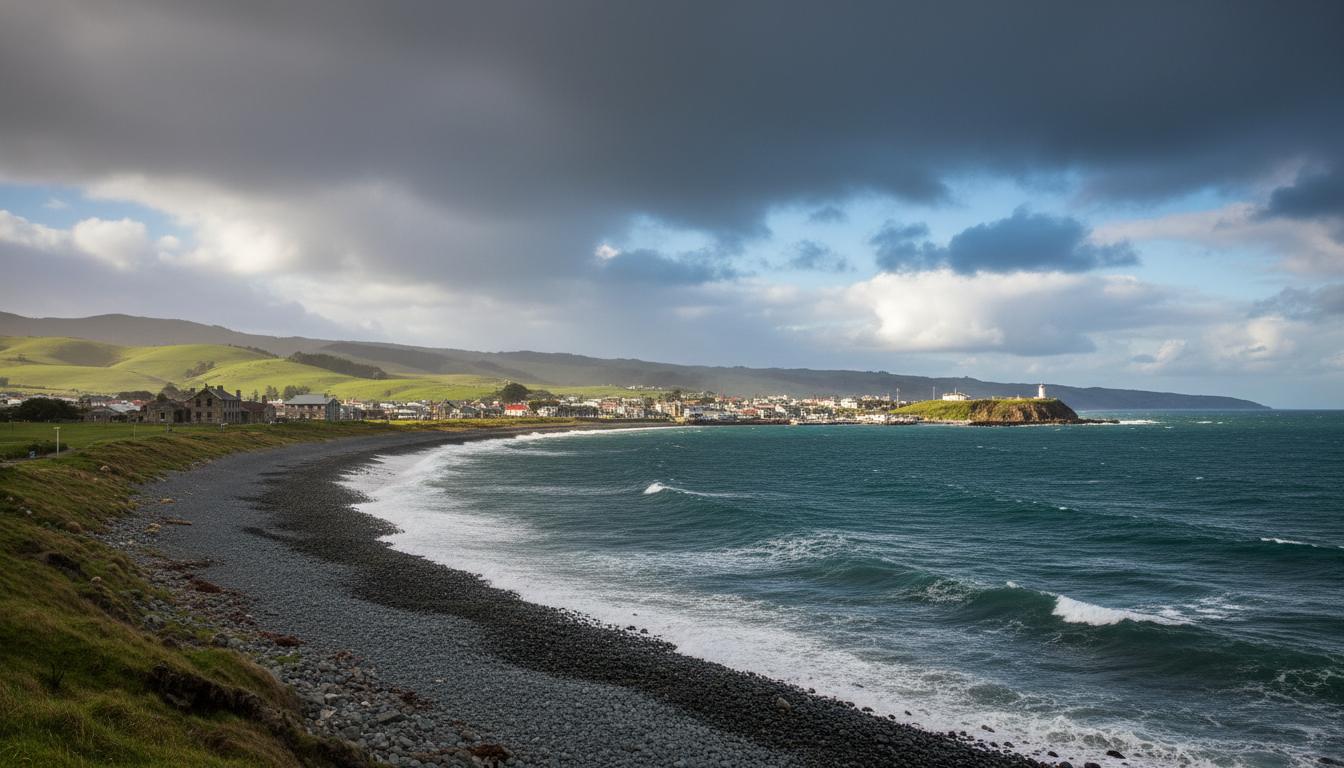
Timaru sits on the South Canterbury coast, tucked between the Pacific and the foothills of the Southern Alps. That location shapes a distinctive mix: dry, sunny stretches, warm nor’westers, sharp southerly changes, and crisp winter frosts. If you live here or you’re planning a trip, understanding timaru weather helps you pick the right day for Caroline Bay, book the best weekend in Geraldine, or time farm work on the Plains.
This guide explains what timaru weather is, how it works, the main types you’ll experience, and smart ways to use the Timaru forecast. You’ll also find a quick comparison of seasons and practical steps for planning your day.
What is
Timaru weather is a temperate, coastal climate on New Zealand’s east coast with relatively low rainfall, plenty of sunshine, frequent northwest foehn winds, and occasional cool southerly changes off the Pacific.
In plain terms: summers are warm but not extreme, winters are cool with regular frosts, rain is moderate and often brief, and wind direction matters a lot. Conditions can swing quickly, especially when a front meets the Canterbury nor’wester.
- Location: East coast of the South Island, South Canterbury
- Character: Often dry and sunny compared with many NZ regions
- Summer: Comfortable heat, sea breezes in the afternoon
- Winter: Chilly mornings, fog inland at times, showers with southerlies
- Wind: Nor’wester (warm and dry), southerly (cooler with cloud/showers)
How it works
The Southern Alps and the foehn effect
Moist air from the Tasman Sea rises over the Southern Alps, dropping much of its rain on the West Coast. As the air descends on the Canterbury side, it warms and dries—a classic foehn effect. That produces the Canterbury nor’wester: bright, gusty, and often unseasonably warm in Timaru.
Southerly changes from the Pacific
When a front drags air up from the south, Timaru flips fast. Temperatures dip, low cloud pushes onshore, and showers can sweep through. The change can arrive within an hour on an active day, so a calm morning can turn into a coat-and-hat afternoon.
High pressure and sea breezes
Under high pressure, the South Canterbury Plains heat up. In summer, a gentle northeast or easterly sea breeze slides in during the afternoon, keeping Caroline Bay comfortable while inland towns like Temuka and Pleasant Point can feel warmer.
Seasonal drivers
- Spring: Energetic nor’westers, quick fronts, big day-to-day swings
- Summer: Warm days, afternoon easterlies at the coast, dry spells
- Autumn: Settled spells, cool mornings, clear afternoons
- Winter: Highs often near 10–12°C, frequent frosts, cloud and drizzle with southerlies
Larger climate patterns
Timaru, like the rest of New Zealand, feels the push and pull of the El Niño–Southern Oscillation and the Southern Annular Mode. In El Niño-leaning seasons, stronger westerlies often mean more nor’wester days on the east coast; in La Niña, easterlies can become more prominent. Year to year, that shifts how many windy days, dry spells, or coastal showers you see.
Types / examples
Common timaru weather days
- Classic nor’wester: Sunny, dry air, gusty NW winds, temperatures running warm for the season, a nor’west arch cloud band over the Alps.
- Southerly change: A crisp wind from the south, low cloud pushing on, scattered showers, rougher seas, a notable temperature drop.
- Sea-breeze summer day: Blue morning sky, a gentle afternoon easterly at Caroline Bay, mild evenings by the water.
- Frosty winter morning: Clear night, white lawns at daybreak, slippery rural roads before the sun lifts temperatures.
- Inland fog: Low cloud or fog near Temuka, Pleasant Point, or Geraldine on still winter mornings, clearing to a fine afternoon.
- Changeable spring: Sunshine, then a fast front, then sun again—four seasons in one day isn’t far off.
Seasonal snapshot
| Season | Typical daytime high | Typical night low | Rain risk | Winds | What it feels like |
|---|---|---|---|---|---|
| Summer (Dec–Feb) | Low–mid 20s °C | Low–mid teens °C | Generally low; brief showers with fronts | Afternoon easterly; occasional warm NW | Beach-friendly, dry air, cool evenings near the coast |
| Autumn (Mar–May) | High teens to low 20s °C | Single digits to low teens °C | Moderate; settled spells common | Variable, lighter winds under highs | Clear afternoons, dewy mornings, fewer extremes |
| Winter (Jun–Aug) | Around 10–12 °C | Near freezing on calm nights | Moderate; southerly showers at times | Southerly changes, lighter inland calms | Regular frosts, crisp air, sea cooler at the coast |
| Spring (Sep–Nov) | Mid teens to low 20s °C | Single digits °C | On-and-off; quick fronts | Frequent NW winds | Fast changes, bright skies between fronts |
Pros and cons
Why people like Timaru’s climate
- Plenty of sunshine compared with many NZ towns
- Lower rainfall than national averages, so more dry days to plan around
- Comfortable summer heat, often tempered by a sea breeze
- Distinct seasons without long heatwaves or deep freezes
Trade-offs to be ready for
- Strong nor’westers can be dusty inland and challenging for outdoor work
- Southerly changes can arrive fast and feel raw near the coast
- Winter frosts and occasional fog affect morning travel and gardening
- Dry spells raise fire risk and can stress pasture without irrigation
How to use or choose
How to plan your day with the Timaru forecast
- Check the headline: Look at today’s timaru weather summary for temperature, wind direction, and any rain icons.
- Scan the wind: NW suggests warm and dry; S or SE hints at cooler air and possible showers; NE sea breeze cools coastal afternoons.
- Open the rain radar: Spot approaching bands from the south or fronts tracking across Canterbury.
- Read the text forecast: MetService Timaru notes often mention timing of changes—useful for school pickup or a beach walk.
- Check the hourly detail: Temperature and wind gusts by the hour help with sports, events, and farm tasks.
- Note the UV index: In summer, UV climbs quickly even on breezy days; plan shade and sunscreen for Caroline Bay.
- Consider microclimates: Inland (Temuka, Pleasant Point) can be warmer by day and colder at night than the coast.
- Recheck before you go: Fronts move fast; a lunchtime update can save a cold, windy surprise.
Choosing the right source for timaru weather
| Source | Strengths | Best for |
|---|---|---|
| MetService (official) | Official warnings, local text forecasts, rain radar, marine forecast for nearby waters | Safety decisions, coastal conditions, timing of southerly changes |
| NIWA insights | Climate context, seasonal outlooks | Planning ahead for farming, water, events |
| Global model apps | Detailed wind and temperature maps, multiple models | Comparing scenarios on nor’wester days and tracking fronts |
What to wear and pack
- Year-round: A windproof layer—NW and southerlies both bite
- Summer: Light clothing, hat, sunscreen, and a spare layer for the evening sea breeze
- Winter: Warm jacket, gloves for early starts, and caution on frosty mornings
- Coastal trips: Extra layer for Caroline Bay when the easterly freshens
Best times for common activities
- Beach days (Caroline Bay): Late morning to early afternoon before the easterly builds, or calm evenings on settled days
- Cycling/running: Mornings on nor’wester days; sheltered routes when the wind rises
- Gardening: Late morning in winter after frost lift; afternoon shade in high summer
- Day trips inland (Geraldine, Peel Forest): Check for fog/frost early, then enjoy clearer afternoons
FAQ
Is Timaru a sunny place?
Yes. Timaru is known for frequent sunshine and relatively low rainfall compared with many New Zealand regions, thanks in part to its east-coast location and foehn winds off the Southern Alps.
Does it snow in Timaru?
Snow at sea level is uncommon. Light snow or sleet can happen during strong southerly outbreaks, but settling snow in town is rare. Inland and at higher elevations, snow is more likely.
Why does Timaru get very warm windy days?
The Canterbury nor’wester. Air descends off the Southern Alps, warms, and dries, lifting temperatures and lowering humidity. That’s the foehn effect.
When is the best time to visit for the beach?
Late summer often brings settled spells with warm water and gentle sea breezes. Check the timaru weather forecast for wind direction and UV before heading to Caroline Bay.
How cold are winters?
Winter days are commonly around the low double digits (°C). Nights near freezing are frequent on calm, clear spells, leading to frosts. Southerlies make it feel colder along the coast.
Are fog and frost common?
Frost is common on clear winter nights. Fog can form inland on still mornings, especially around river flats, and usually clears by late morning.
How reliable is the Timaru forecast?
Short-range forecasts are generally reliable, but timing can shift when fronts move fast. For changeable days, pair the forecast with rain radar and wind observations.
Which winds are most common?
Nor’westers are frequent and warm; easterly sea breezes are typical on settled summer afternoons; southerly changes bring cooler air and showers.
Where can I find marine conditions near Timaru?
Check the official marine forecast for the nearby coastal waters, including wind, swell, and warnings. Conditions can change quickly with a southerly.
Any quick safety tips?
- On southerly days, seas roughen fast—check marine forecasts if boating.
- In summer, UV rises early—use sun protection even when it’s breezy.
- Watch for black ice after hard frosts, especially before sunrise.
Final quick take
timaru weather mixes sunshine, low to moderate rainfall, warm nor’westers, and cool southerly changes. Learn the wind, watch the radar, and you can plan confidently—whether it’s a morning dip at Caroline Bay, a ride on the Plains, or a winter drive inland.