
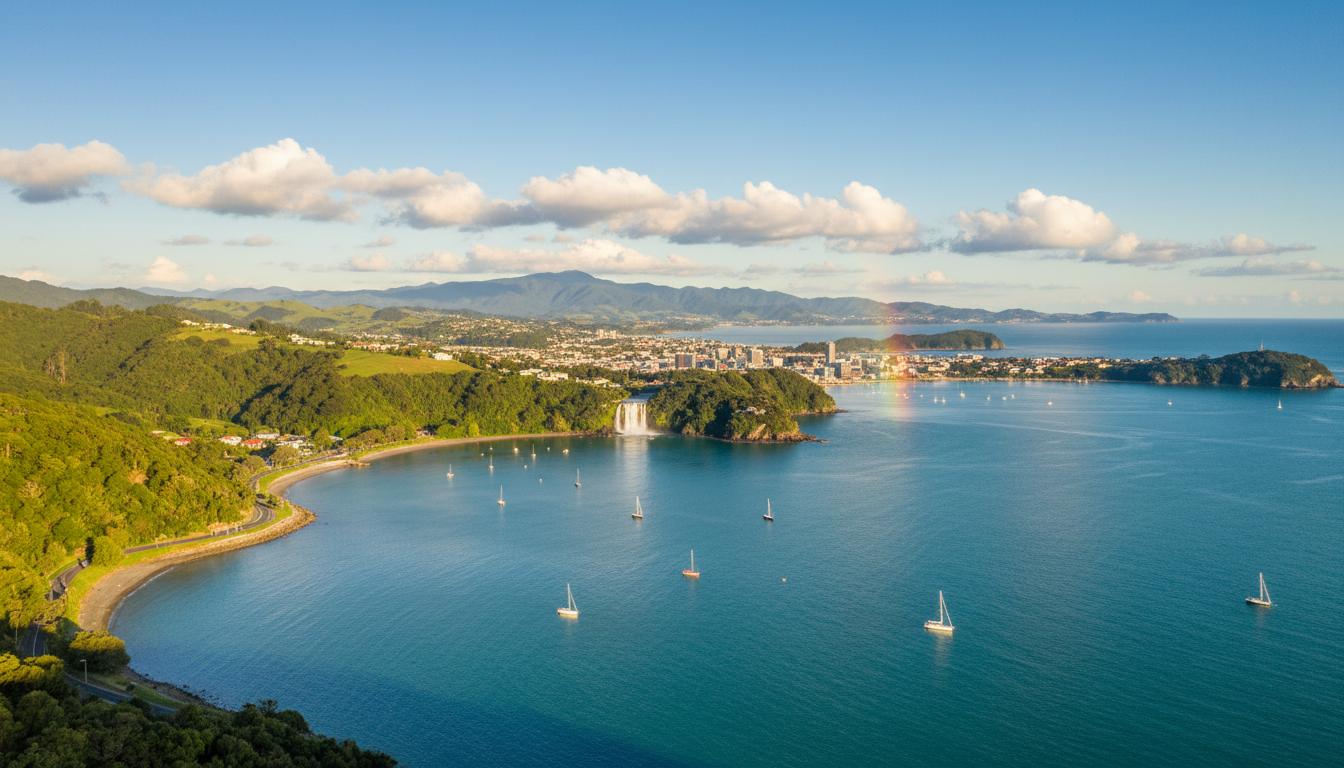
Looking up weather whangarei before a beach day, a coast drive, or a fishing mission? Good call. Northland’s largest city enjoys warm summers, mild winters, and the kind of changeable coastal patterns that reward anyone who checks the forecast—and packs a light rain jacket.
This guide explains Whangārei’s climate in plain English: what it is, what drives it, the common weather types you’ll meet, and how to plan with confidence. You’ll also find a seasonal comparison table, clear pros and cons, and step-by-step advice for choosing the right time and tools for your plans.
What is
Whangārei sits on a sheltered harbour near the top of the North Island. The climate is maritime and subtropical: warm, humid summers; gentle, often wet winters; and plenty of sunshine between passing systems. Frost is uncommon, snow is essentially unheard of at sea level, and sea breezes shape many afternoons.
Rainfall arrives year-round, but the flavour varies. Northeasterly setups can bring muggy showers or heavy, tropical-style rain. Westerly changes deliver brisk, showery bursts that clear fast. The harbour, nearby hills, and open coast add microclimates—Maunu can be warmer and drier than the Heads; Kamo may wake to valley fog while the CBD stays clear.
| Season | Typical daytime high | Typical night low | Rainfall (per month) | Sea temperature | UV level | Notes |
|---|---|---|---|---|---|---|
| Summer (Dec–Feb) | 23–27°C | 15–18°C | 80–150 mm | 20–22°C | Very high | Humid afternoons, sea breezes; occasional subtropical downpours. |
| Autumn (Mar–May) | 20–24°C | 12–16°C | 90–180 mm | 19–21°C → 16–18°C | High → moderate | Settled spells mixed with heavy-rain events; warm sea lingers. |
| Winter (Jun–Aug) | 15–17°C | 7–10°C | 90–170 mm | 14–16°C | Low | Mild days, cool nights; clearer after fronts; frosts are rare. |
| Spring (Sep–Nov) | 17–21°C | 9–13°C | 70–140 mm | 16–19°C | Moderate → high | Breezy westerlies, fast-changing showers and sunny breaks. |
How it works
Whangārei’s weather is a tug‑of‑war between warm, moist northeasterlies from the Pacific and cooler, showery westerlies off the Tasman Sea. Highs (anticyclones) bring calm, blue-sky stretches. Lows drag in rain bands. The sea has the last word—cooling summer nights, softening winter days, and spinning up afternoon sea breezes.
Main drivers you’ll feel
- Sea breezes: On warm days, a northeasterly picks up after late morning, strongest along the open coast and the Heads.
- Westerly changes: Fronts sweep through briskly, with squally showers, then clear skies behind.
- Subtropical lows: From late summer into autumn, slow-moving lows can dump intense rain and cause slips or surface flooding.
- ENSO patterns: La Niña often brings more humid northeasterlies and heavy-rain risks; El Niño tends to favour stronger westerlies and drier spells in the north.
- Topography: Hills squeeze extra rain out of moist flows; valleys trap cool air and occasional fog at dawn.
How forecasts are built—why timing matters
Local forecasts blend observations (weather stations, buoys), radar and satellite, and global models. Timing and wind direction are everything in a coastal place like this: a one- or two-hour shift in a front can turn a wet afternoon into a blue one. For the most reliable detail, check updates on the day you go.
Types / examples
Common weather patterns around Whangārei
- Sunny anticyclone day: Light morning winds, a gentle sea breeze after lunch, and a clear evening. Great for walking the Parihaka tracks or swimming at Ocean Beach.
- Humid nor’easter: Low cloud and passing showers sweep onshore. The city stays warm; the open coast gets more drizzle. Good for sheltered harbour paddles.
- Westerly showery day: Fast-moving showers, sunny breaks in between, cool wind on hilltops. Surf cleans up on certain east-facing beaches.
- Subtropical rainmaker: Deep moisture feeds long, heavy rain. Expect rising rivers, slips on rural roads, and rough seas. Avoid bush tracks until conditions ease.
- Clear winter high: Crisp morning, mild afternoon, long golden light. Inland spots may see light valley fog at dawn that burns off quickly.
- Ex-tropical cyclone remnant: Powerful swell and gales at exposed coasts, heavy rain lines. The harbour can be choppy; boating conditions poor.
Microclimate snapshots
- CBD and harbour: Slightly warmer nights, gentler winds; showers can drift through quickly.
- Whangārei Heads/Ocean Beach: Cooler with onshore flow; cloud and drizzle hang on longer in northeasterlies.
- Inland suburbs (Maunu, Kamo): Warmer on still summer days; cooler dawns in winter with the odd patch of fog.
Pros and cons
- Pros
- Mild winters—outdoor plans keep rolling all year.
- Warm sea through late summer and early autumn.
- Plenty of sunshine between systems.
- Reliable afternoon sea breezes for sailing and kites.
- Cons
- High UV in spring and summer—burn times can be short.
- Humid spells; muggy nights in peak summer.
- Heavy-rain events can cause slips and closures.
- Drought stress is possible in El Niño patterns; water restrictions can appear.
How to use or choose
If your plan depends on weather whangarei—beach, boat, bush, or a backyard BBQ—use a simple, repeatable method and the right data. Here’s a clear process.
- Set your window: Pick a primary day and a backup. Coastal weather changes fast; options help.
- Check the big picture: Is a high sitting over Northland, or is a front coming from the Tasman? This sets wind and rain chances.
- Dial in the wind: Note direction and strength by hour. Northeasterlies cool beaches but can add drizzle; westerlies clear fast but feel brisk on ridgelines.
- Watch rain timing: Use the radar on the morning of your trip. If a band is slow-moving, shift plans earlier or later.
- Mind the sea: For boating or swimming, check swell height/period, tide, and wind against tide in the harbour.
- Plan microclimate: If the Heads look cloudy, try sheltered harbour bays or inland walks.
- Pack smart: Sun protection year-round, layers for wind, and a light rain shell for surprises.
- Recheck just before you go: Coastal forecasts can refine within hours—worth a final look.
Best times by activity
- Beaches and swimming: Late Jan–Apr for warm seas and settled spells.
- Hiking and biking: Sep–Nov and Mar–Jun for mild temperatures and fewer muggy afternoons.
- Sailing and kites: Sea-breeze days in summer; check for stronger westerlies in spring.
- Fishing: Early morning changes of light with light winds; avoid strong swell days after lows.
Choosing forecast tools
Use more than one view. Official local forecasts pair well with maps and radar. This simple comparison helps you decide what to open first when you search weather whangarei in the morning.
| Tool type | What it’s best for | When to trust most | Tip |
|---|---|---|---|
| Official NZ forecast (e.g., national provider) | Localised daily outlook, warnings, marine info | Day-of decisions and hazard awareness | Read the text—timing notes and wind shifts hide there. |
| Radar & satellite | Seeing real rain bands and cloud tops | Within 6 hours of an event | Loop the last 1–3 hours to judge speed and track. |
| Model maps/apps | Wind and swell at different times | 1–3 days out | Compare at least two models for agreement. |
| Tide/swell charts | Beach and harbour safety | Any coastal plan | Watch “wind against tide” for choppy harbour conditions. |
Packing shortlist for Whangārei
- Sun gear: UPF clothing, hat, sunglasses, broad-spectrum sunscreen.
- Layers: Light long sleeve, windproof shell; warmer layer in winter.
- Footwear: Quick-drying shoes for coastal tracks; grippy soles after rain.
- Water: Hydration is essential on humid days; don’t rely on streams.
FAQ
What’s the best time to visit for settled weather?
Late summer into early autumn (February–April) often brings warm seas, long daylight, and stretches of calm days. Spring can be beautiful too, but westerlies flick showers through more often.
Does it snow in Whangārei?
No. Snow at sea level would be extraordinary. Inland hills can get crisp mornings in winter, but frost is uncommon and melts quickly in the sun.
Is Whangārei very rainy?
Rain is frequent in short bursts, with occasional heavy events—especially from subtropical systems. Many days still deliver long sunny breaks. If a slow-moving low arrives, expect persistent rain and plan indoor options.
How windy is it?
Most days are light to moderate. Spring brings breezier westerlies; coastal headlands feel windier than the harbour or inland suburbs. Gale conditions tend to accompany fronts or the remnants of tropical systems.
Are cyclones a risk?
Tropical cyclones rarely arrive intact, but their remnants can cross Northland in late summer or autumn. Expect heavy rain, strong winds at exposed coasts, and large easterly swells. Track warnings closely.
What should I check before a beach day?
Look at wind direction, swell height and period, and tide times. Northeasterlies cool the shore and can add chop; a mid-period easterly swell can create strong rips at open beaches like Ocean Beach. Choose sheltered bays if winds or swell build.
How reliable are short-range forecasts?
Very useful within 24–48 hours, especially with radar on the day. Coastal timing can still shift by an hour or two, so recheck just before you leave.
Why does the forecast say showers but my suburb stays dry?
Showers are scattered by nature. The harbour, hills, and coastal alignment can steer them. One side of town can be wet while another stays sunny—common under onshore flow or westerly lines.
Is UV really that high?
Yes. UV peaks in spring and summer. Even on breezy days, use sunscreen, clothing, and shade. Burn times at midday can be short.
Quick summary I can trust?
Weather whangarei in one line: warm and humid in summer, mild in winter, quick changes with wind shifts, and big rewards for anyone who checks the radar and packs smart.